Lightning strikes and electrical surges damage equipment in two ways: a direct strike on a building or structure, and the transient overvoltages that travel into a site through power, data, and telecommunications lines. A surge lasting microseconds can destroy switchgear, servers, control systems, and communications equipment, and the resulting downtime and data loss usually costs more than the hardware itself. Protecting a site properly means addressing both risks.
Natural Power Solutions (NPS) designs, supplies, installs, and maintains lightning and surge protection systems across Australia and New Zealand. Our team delivers direct lightning protection for structures and exposed sites, and layered surge protection for the equipment inside them. All solutions are designed to meet the relevant Australian and New Zealand standards, and are installed by qualified technicians with minimal disruption to your operations.
Layered Surge Protection: Type 1, Type 2, and Type 3
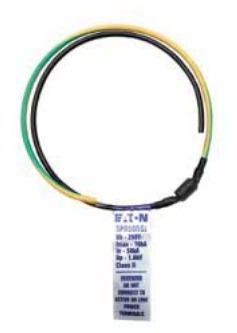
Effective surge protection is not a single device. It is a cascade of surge protective devices (SPDs) installed at different points across a site, each rated to handle a different level of energy:
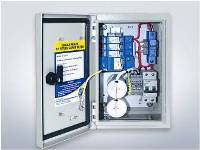
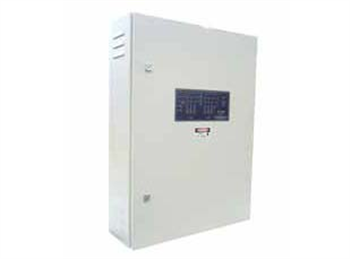
- Type 1 SPD (main switchboard): Installed at the main incoming supply, Type 1 devices are rated to discharge the high-energy partial lightning currents produced by a direct or nearby strike. Required where a structure has a direct lightning protection system or an exposed overhead supply.
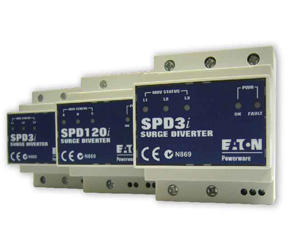
- Type 2 SPD (distribution boards): Installed at sub-boards and distribution boards, Type 2 devices handle the residual energy that passes the Type 1 stage, plus the switching transients generated on site by motors, drives, and heavy machinery.
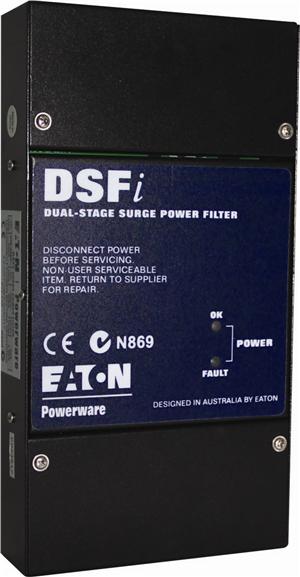
- Type 3 SPD (point of use): Installed close to the equipment being protected, Type 3 devices and in-line filters clamp the last of the residual voltage and protect sensitive electronics directly. Plug-in surge protection and transient voltage surge suppression (TVSS) units sit at this level.
- Data line and telecommunications protection: Power is only one entry path. Surges also travel in on data, telephone, and signal lines. Data line protectors safeguard network equipment, security systems, and communications infrastructure at the point where those cables enter the building.
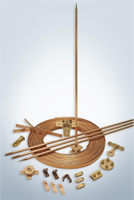
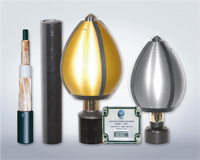
- Direct lightning protection: Air terminals, down conductors, and earthing systems intercept a direct strike and route the current safely to ground before it reaches the structure or its contents. This is a designed and installed system, not an off-the-shelf product, and NPS handles the site survey, design, installation, and certification.
Surge Protectors and Surge Protection Devices for Commercial Sites
A plug-in surge protector or power board offers only basic last-line protection for a single device. For commercial and industrial sites, NPS installs hard-wired surge protection devices (SPDs) at the switchboard and distribution level, where they divert far larger transients before they reach your equipment. A layered design combines Type 1, Type 2 and Type 3 surge protectors so lightning-induced and switching surges are clamped progressively, from the main incomer down to the point of use.
Surge Protection and UPS Systems Are Not the Same Thing
This is a common and expensive misunderstanding. A UPS protects against loss of supply and poor power quality, and most UPS units include some surge suppression, but a UPS is not rated to absorb the energy of a lightning-induced transient. Conversely, a surge protective device does nothing during a blackout. Critical sites need both: SPDs to clamp the transient before it reaches the UPS, and a UPS to carry the load when the supply fails. NPS specifies the two together as a single coordinated solution.
Why Lightning and Surge Protection Matters in Your Industry
Lightning and surge risk is highest where infrastructure is exposed, remote, or carries long cable runs. NPS delivers protection across the sectors where the consequences are most severe:
- Communications: Transmission towers, antenna infrastructure, and remote exchange sites are among the most lightning-exposed assets in the country, with long data and power runs that carry transients straight into sensitive equipment.
- Mining: Remote mine sites in northern Australia experience some of the highest lightning-strike densities on the continent, protecting switchrooms, SCADA infrastructure, and site communications.
- Security: Perimeter-mounted CCTV, gate motors, and bollard systems sit outdoors on long cable runs and are routinely lost to surges that never touch the building itself.
- Transport: Roadside cabinets, bridge-mounted equipment, and tunnel systems are exposed by design and often difficult to access for repair.
- Manufacturing: Large motors, variable speed drives, and welding equipment generate switching transients internally, meaning surge risk on a factory site is continuous rather than weather-dependent.
- Government: Council data centres, emergency services facilities, and public infrastructure where equipment loss carries a service-delivery consequence.
Lightning and Surge Protection Services from NPS
- Power Quality Audit: Site-level assessment identifying transient activity, existing protection gaps, and the equipment most at risk. The right starting point if you have had unexplained equipment failures.
- Turnkey Power Solutions: Site survey, risk assessment, protection system design, and coordination of surge protection with your UPS and power distribution infrastructure.
- Installation and Commissioning: Installation by qualified technicians to manufacturer specification and relevant standards, scheduled to minimise disruption to your operations.
- Inspection and maintenance: SPDs are consumable. They degrade with each surge absorbed and eventually stop protecting while still appearing to be installed. NPS provides scheduled inspection and replacement so your protection is actually working when it is needed.
Why Choose NPS for Lightning and Surge Protection
- Over 30 years protecting critical infrastructure across Australia and New Zealand
- Whole-site capability: direct lightning protection and layered surge protection designed together, not sold as disconnected products
- Surge protection specified alongside UPS systems and power distribution as a single coordinated solution
- Products from Eaton and specialist lightning protection manufacturers, backed by genuine parts and manufacturer warranties
- Solutions designed to meet the relevant Australian and New Zealand standards, installed by qualified technicians
- Experience with remote and exposed sites, including mine sites, transmission infrastructure, and roadside equipment
- National coverage across Sydney, Melbourne, Brisbane, and Perth, with field technicians available across all Australian states
Frequently Asked Questions About Surge Protection
Is a power board surge protector enough to protect my equipment?
A power board or plug-in surge protector only protects the single device plugged into it, and against limited energy. Commercial and industrial sites need hard-wired surge protection devices installed at the switchboard so larger transients are diverted before they reach your equipment.
What is a surge protection device (SPD)?
A surge protection device is a hard-wired component installed at the switchboard or distribution board that diverts voltage transients safely to earth. SPDs are rated Type 1, Type 2 or Type 3 for different positions in the installation.
Where should surge protectors be installed?
Surge protection works best in layers: Type 1 at the main switchboard to handle direct and lightning-induced surges, Type 2 at sub-boards, and Type 3 close to sensitive equipment. Each stage clamps what the previous one lets through.