
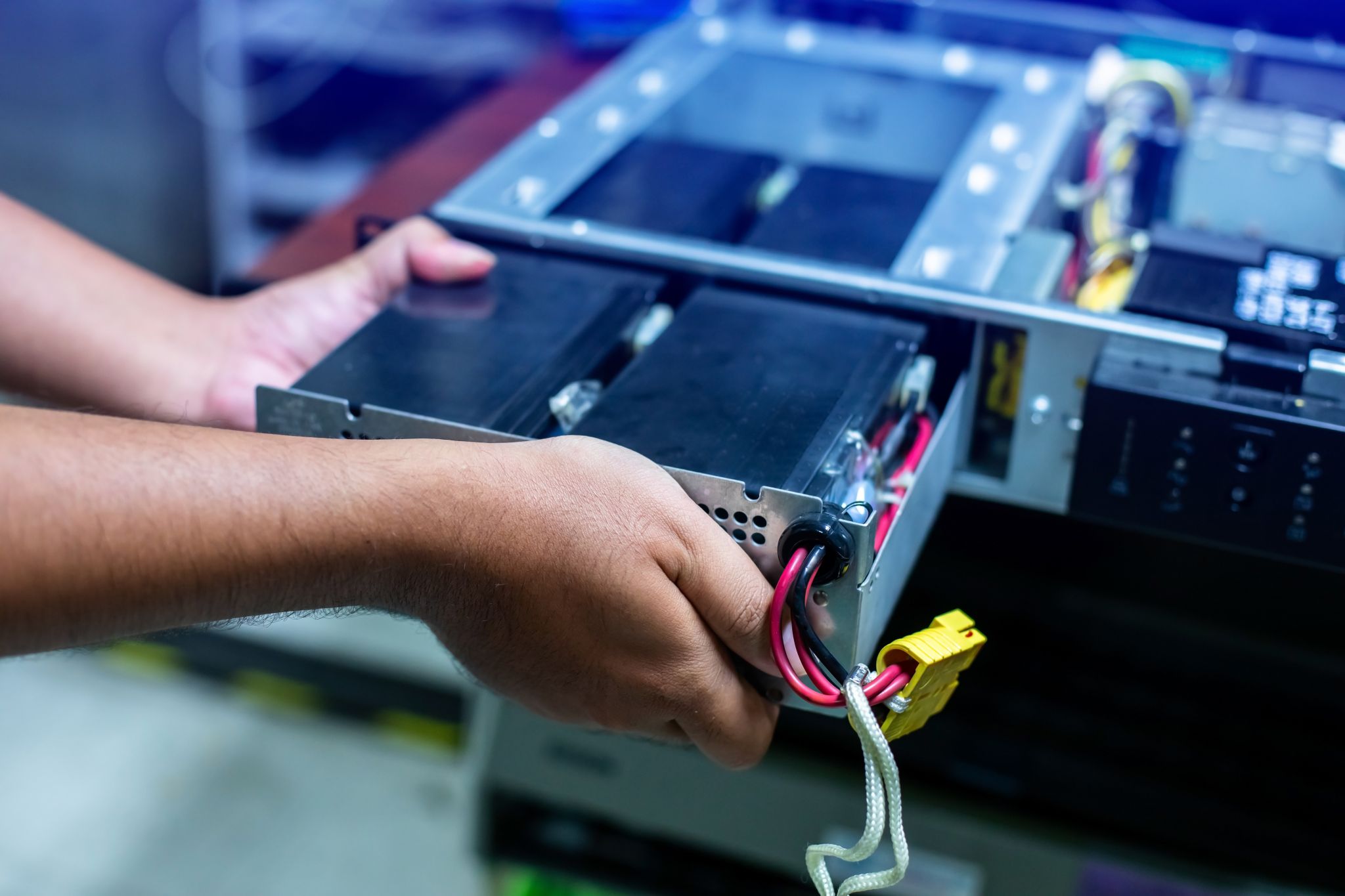
 As Australian and New Zealand businesses get back to full speed after the holiday break, many IT professionals and facilities managers get a nasty surprise: power protection systems that don’t quite cut it when they’re brought back online.
The problems usually start when systems get powered up properly after a shutdown, making it really important to get all the initial settings right to avoid doing any damage or wasting energy.
While shutdowns do help keep costs down, they also reveal any hidden weaknesses in UPS and battery backup systems and the supporting infrastructure – things that often go under the radar till the critical gear gets powered back up.
At NPS, we do tend to see an increase in repair calls straight after the holiday break. A lot of customers ring up looking for help with specific UPS parts or components that just aren’t performing as expected. Helping customers out during this time is pretty much essential to keep them happy and running smoothly.
Why Can Uninterruptible Power Supply Systems be so vulnerable after Shutdowns?
A UPS is designed to keep on going, running critical loads and keeping things up and running during power interruptions. When things sit idle for long periods, environmental conditions, battery chemistry and dormant components can all start to create performance gaps that only show up once normal operation resumes. Adding in new features or modules – like power smoothing or capacity boosts – can help plug these vulnerabilities. Plus, where the UPS system is sited can affect how exposed it is to environmental risks during shutdowns, which in turn affects its overall reliability. It’s pretty crucial to shut down UPS systems properly during power failures to avoid damage and make for a smooth restart.
Common UPS issues after Shutdown Periods
1. Battery Degradation
UPS batteries naturally start to age, but sitting idle for long periods can speed up the deterioration process – especially in those Valve-Regulated Lead-Acid (VRLA) batteries. You should keep an eye on how the battery string is doing to make sure it’s ready to go when you need it. The manufacturer will give you a runtime rating in minutes, so after a shutdown, it’s a good idea to check that the UPS can cope with the load for the specified amount of time. Doing maintenance or discharge tests every six months, as recommended, will keep the batteries in good nick. This results in reduced:
- Runtime
- Inability to hold charge
- Unexpected system dropouts
Batteries are especially vulnerable as they get older.
2. Dust Accumulation & Airflow Blockage
If the cooling systems or UPS fans were idle during the shutdown, dust can start to settle inside cabinets and enclosures and restrict airflow. This can lead to:
- Overheating
- Reduced performance
- Thermal shutdowns
Summer heat only makes this risk worse.
3. Alarms, Fault Codes & Power Irregularities
Voltage fluctuations when powering up can trigger UPS alarms, internal errors or disconnects – especially in older systems. Line voltage fluctuations and the operation of line-interactive UPS modes can also impact system stability. Changing autotransformer taps is important to manage voltage fluctuations and keep the output stable.
Common signs to look out for include:
- Bypass mode activation
- Overload warnings
- Battery test failures
4. Overloaded Circuits on Restart
When systems power up all at once, electrical loads spike. For facilities with older UPS units or not enough capacity, this can cause tripping or UPS failure. High-capacity applications may need big rectifiers or big power supplies to handle the increased load. Choosing the right place for the UPS installation is also important to make sure it’s accessible and safe.
5. Cooling System Inefficiencies
Shutdowns can hide issues with CRAC units, condenser systems, or ventilation. Once equipment is running again, cooling shortfalls quickly stress UPS batteries and electronics, which contribute to component failures.
6. Complete UPS Failure
Where multiple issues combine – aging batteries, heat exposure, or internal component failure – the UPS may not power at all. In some cases, a fuse or protective component may blow due to overcurrent or short-circuit conditions, resulting in a complete shutdown.
This is usually a sign that:
- The system has reached the end of its service life
- Batteries have failed
- Internal electronics have degraded
Early detection can prevent emergencies like this.
Monitoring and Control: Keeping an Eye on Your UPS Health
Remote monitoring requires attention to the direction of control signals and data flow to ensure proper system management and integration with the broader infrastructure.
As the demands on your uninterruptible power supply systems grow – especially after periods of shutdown or increased business activity – monitoring and control become critical to maintaining reliable power delivery. Proactive monitoring lets you spot issues early, optimise system performance and ensure your battery backup and surge protection are always ready to protect your business.
Modern UPS systems – including the ones you can trust from Schneider Electric – are built with rock-solid monitoring and control systems. These systems provide real time insights into how your system’s doing – not just the battery’s charge levels and the load on the system, but the environment around it too. By keeping an eye on all these metrics, you can spot any potential problems long before they cause a headache – be it a battery running down on you, or some wonky load patterns.
For smaller UPS systems installed in home offices or small businesses, remote monitoring is a total game-changer – you can log in and check on system health from your phone or computer, no need to be on site. That way, you can be sure you’re on top of any alerts and prevent those unexpected outages that can bring your business to its knees.
Larger systems in data centres or industrial settings get even more advanced monitoring solutions – they’re often integrated with the building management systems, which gives you the full picture of what’s going on with the power supply, load distribution and environmental factors. With the ability to do automated testing and get in-depth reports, facility managers can make informed decisions to keep their critical infrastructure (and business) going even if the lights go out for a few hours or even days.
When you’re choosing a UPS system, you should think about how complex your environment is and how much monitoring you need. And don’t even think about setting it up yourself – get in a pro electrician to get it installed right. They’ll make sure it’s in the right spot for optimal performance and easy access if you need to do some maintenance. The right monitoring solution doesn’t just give you peace of mind – it also extends the life of your UPS and reduces the risk of costly failures.
Now we know the initial cost of a UPS system with all the bells and whistles is a bit steeper upfront. But think of it this way – the long-term benefits of having a reliable UPS system are way, way better than the initial outlay – reduced downtime, lower maintenance bills and protecting all that valuable kit. Quality monitoring solutions help you keep on top of your power supply, and keep your business (or home) up and running no matter what life throws at you.
In a world where markets move fast, having a reliable UPS system is a real competitive advantage. It lets you focus on what you do best, knowing your power supply is rock-solid and your critical systems are protected. If you’re thinking of upgrading your UPS or want to learn more about the latest monitoring tech, give a reputable supplier a call, and they’ll talk you through some solutions that fit your needs.
How NPS Helps Your Businesses Kick off the Year on the Right Foot
Getting a proactive UPS and cooling system health check means you can be sure your infrastructure is in top nick for the year ahead. Our expert techs check every factor that impacts uptime – including:
- Testing the battery and recommending replacement for all types of UPS and batteries
- Verifying load balancing and performance
- Looking over your cooling and airflow systems
- Internal UPS condition checks
- Logging any alarm issues and getting system reporting in order
- Servicing both your UPS and cooling systems
Whether it’s a one-off service or some ongoing preventative maintenance, NPS offers tailored programs to keep your critical kit safe, slash long-term costs and get the most out of your system. We tailor our solutions to office environments, so you’ve got uninterrupted operations and efficient power management for all your sensitive kit.
Don’t Wait Till Disaster Strikes – Protect Your Business Before the Peak Season Hits
The start of the year is the perfect time to make sure your power protection is up to scratch – reliable, efficient and ready to go. A small issue today can turn into a costly outage tomorrow, and that’s bad news all around for business continuity.
Get your UPS sorted for 2026. Book a UPS health check or preventative maintenance visit by your preferred date – or we’ll fit you in within a week. Same-day or next-day service is on the table for emergencies. And it’s easy to make a request through our streamlined consultation process.
Natural Power Solutions has been delivering high-quality power protection and cooling solutions to Australian & New Zealand businesses for over 30 years – and we’re proud of our track record of delivering reliable results. Let us help you kick the year off knowing your critical infrastructure is protected. Paying for our services is super easy and secure, as well.
We wish you all the best for the year ahead – may your UPS run smoothly and your business keep on rolling. At the end of the day, what really matters is keeping your critical infrastructure running and your business safe and secure – and that’s what our work is all about.